info@pspdynamic.com

+91-8824900416/40/14/12
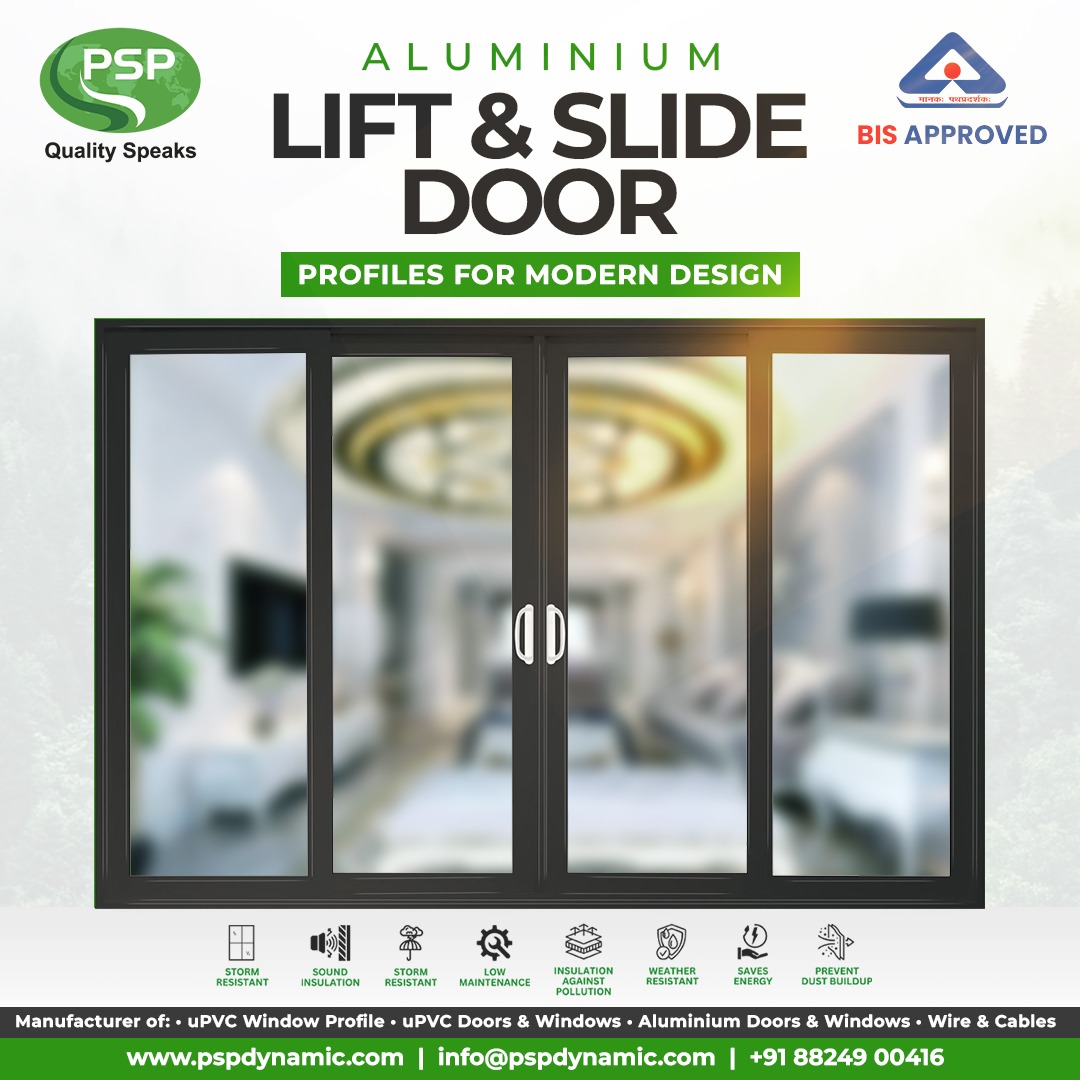
Aluminium Lift & Slide Door Profiles: Specifications & Installation | PSP Dynamic
2026-07-20Introduction
Selecting an ALUMINIUM lift & slide door profile for a project involves far more than picking a design that looks good in a brochure. Architects, contractors, and homeowners across India are increasingly choosing lift & slide systems for large openings, but the long-term performance of these doors depends entirely on the profile specifications, installation quality, and manufacturing standards behind them. This article walks through what actually matters when evaluating ALUMINIUM lift & slide door profiles, from the engineering fundamentals to installation practices and ongoing maintenance, so that your decision is based on substance rather than surface appeal.
Understanding the Engineering Behind Lift & Slide Door Profiles
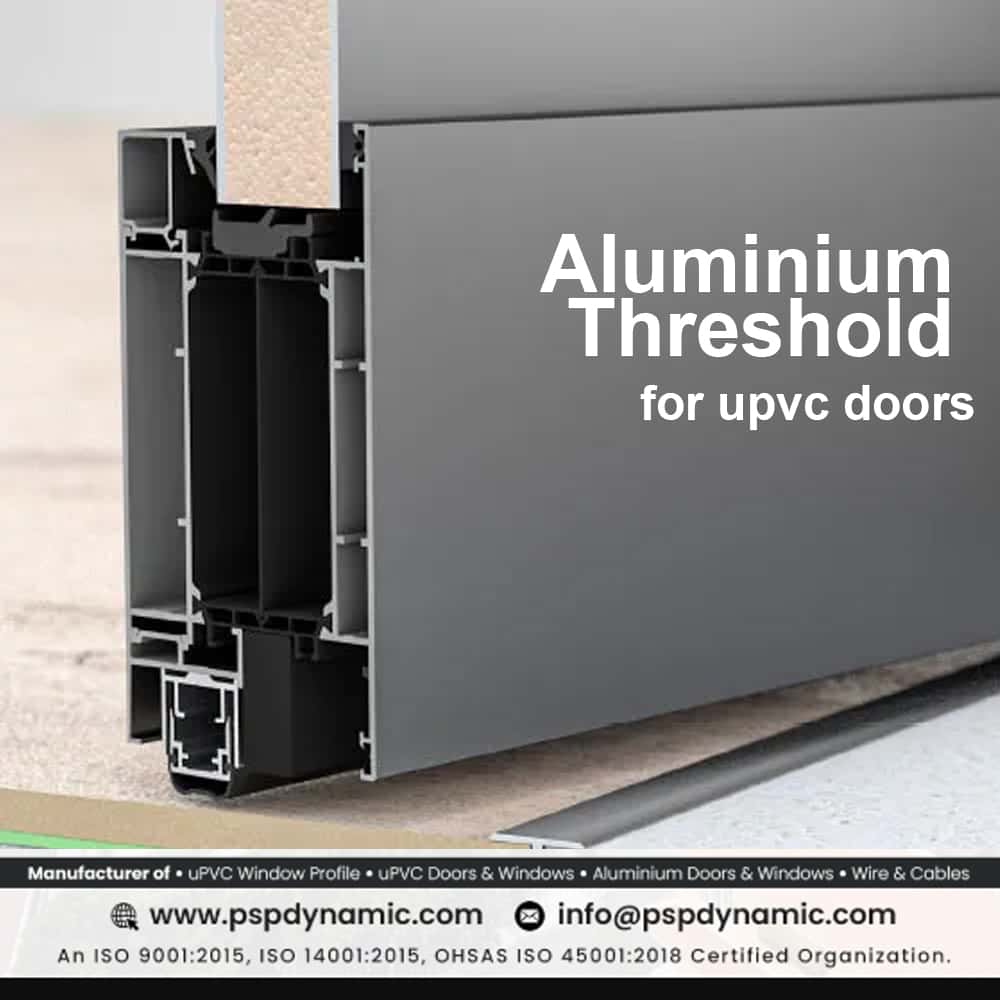
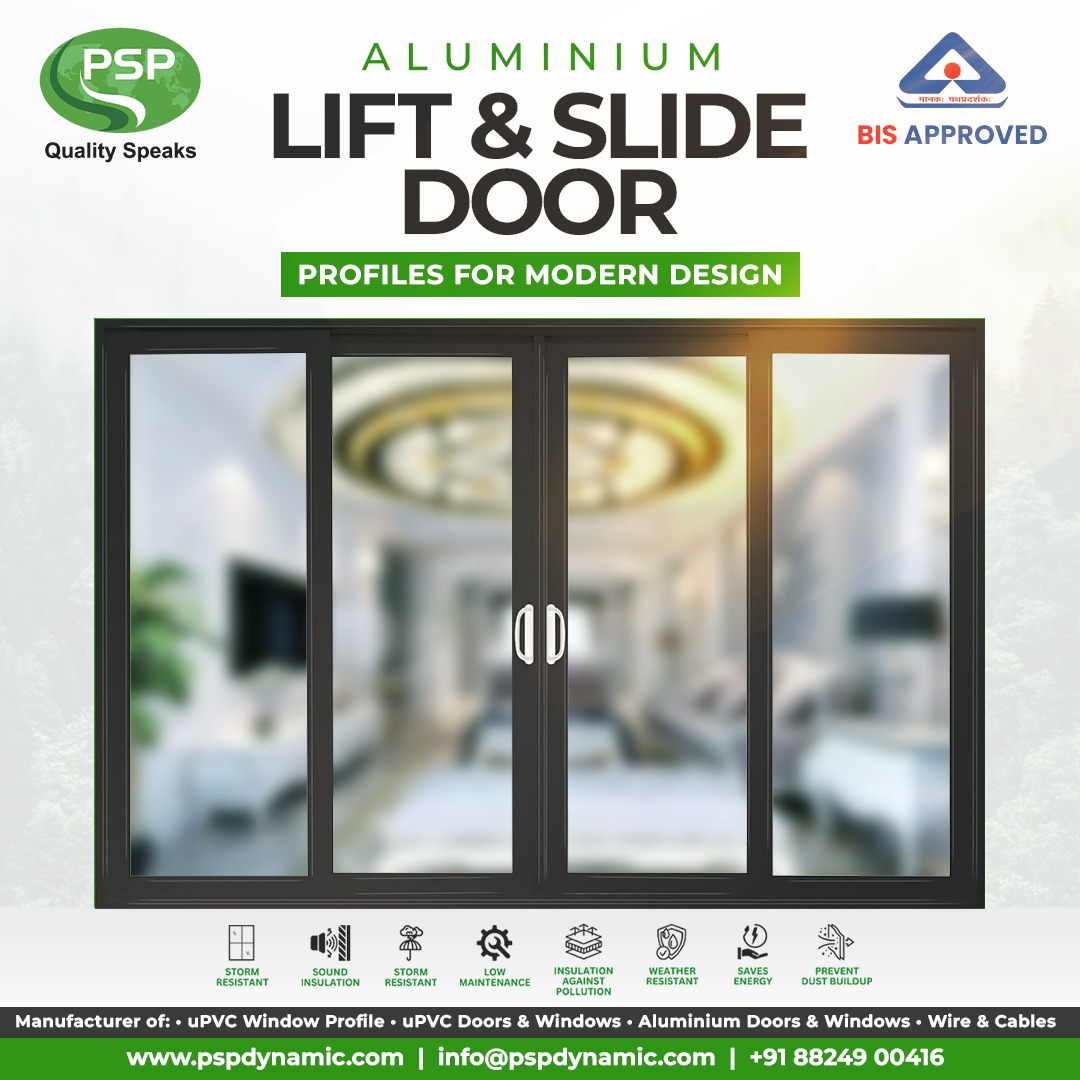
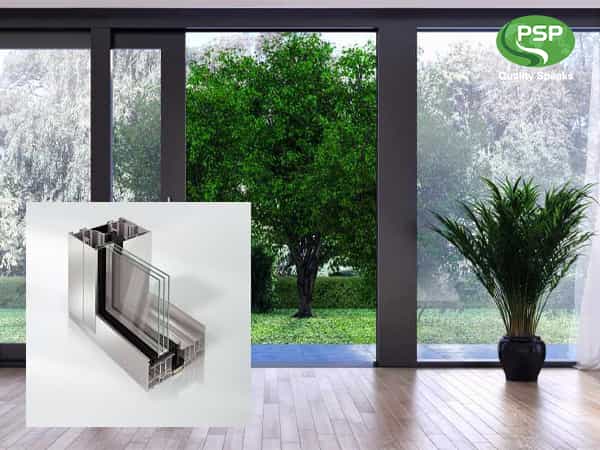
A lift & slide door works differently from a standard sliding door because the panel physically lifts a few millimetres off the track before it begins to move sideways, and drops back down into a sealed position once closed. This mechanism relies entirely on the precision of the ALUMINIUM profile and the roller and track system built into it. The profile itself must be engineered with a multi-chamber structure that provides rigidity across long spans while keeping the visible sightline as slim as possible. Unlike PVC or timber frames, ALUMINIUM allows manufacturers to achieve this balance of strength and slenderness because the material itself has a high strength-to-weight ratio. At PSP Dynamic, every lift & slide profile is extruded to maintain consistent wall thickness along its length, which directly affects how well the door resists warping under the weight of large glass panels over time.
Thermal Break Technology and Why It Changes Performance
One of the most overlooked aspects of ALUMINIUM lift & slide profiles is thermal break construction. A thermal break is a non-conductive polyamide strip inserted between the interior and exterior sections of the profile, and it is what prevents heat and cold from transferring directly through the metal. Without this feature, ALUMINIUM frames conduct temperature rapidly, leading to condensation on interior surfaces and higher energy bills from heating or cooling systems working overtime. Profiles with a properly engineered thermal break can significantly reduce heat transfer compared to non-thermal-break ALUMINIUM systems, making a noticeable difference in comfort for homes and offices located in regions with extreme summer or winter temperatures. When evaluating a supplier, always ask whether the thermal break width and polyamide grade meet recognised performance benchmarks, since cheaper alternatives often use thinner or lower-grade inserts that degrade faster.
Key Technical Specifications to Check Before Purchase
Before finalising an ALUMINIUM lift & slide door supplier, there are several specifications worth verifying directly rather than relying on marketing claims. Profile wall thickness should typically fall within a range that supports the intended glass load without flexing, and this becomes especially important for panels wider than two metres. The glazing bead depth determines what type of glass unit the frame can accommodate, whether single glazed, double glazed, or triple glazed, so this should match the climate requirements of the installation site. Roller load capacity is another critical figure, since underrated rollers wear out quickly under the weight of large glass panels and eventually cause the door to drag or stick. Surface finish also matters for longevity, and profiles should carry either an anodised finish or a powder-coated finish that meets a minimum coating thickness, as thinner coatings chip and expose bare metal to corrosion within a few years. Finally, check whether the hardware, including multi-point locking systems and handles, is rated for the specific panel weight, because mismatched hardware is one of the most common causes of premature door failure.
Installation Considerations That Affect Long-Term Performance
Even the highest quality ALUMINIUM lift & slide profile will underperform if installation is done incorrectly. The sub-frame and opening must be perfectly level before the track is fixed, because any deviation causes uneven load distribution across the rollers and leads to one side of the door dragging more than the other. Drainage channels built into the bottom track need to be kept clear during installation, since blocked drainage is a leading cause of water pooling and eventual corrosion at the base of the frame. Expansion gaps around the frame perimeter should follow the manufacturer's tolerance specifications to accommodate thermal expansion and contraction of the ALUMINIUM across seasonal temperature swings. It is also important that the installation team uses the correct fixing points specified by the manufacturer rather than drilling wherever is convenient, as incorrect fixing can compromise the structural integrity of the multi-chamber profile. Projects that skip a proper installation checklist often experience issues within the first year that have nothing to do with the quality of the profile itself, but everything to do with how it was fitted.
Maintenance Practices That Extend Profile Lifespan
ALUMINIUM lift & slide doors are marketed as low maintenance, and this is true relative to timber, but low maintenance does not mean zero maintenance. Tracks should be cleaned of dust and debris on a regular basis, since accumulated grit accelerates roller wear and can eventually cause the lift mechanism to stick. Rollers and the lift cam mechanism benefit from occasional lubrication with a silicone-based lubricant, which keeps the lifting action smooth and prevents metal-on-metal friction from wearing down components prematurely. Gaskets and weatherseals should be inspected periodically for cracking or hardening, particularly in regions with intense sun exposure, since a compromised seal reduces both the weatherproofing and thermal performance of the door. Drainage holes at the base of the frame should be checked before monsoon season to confirm they are not blocked by dust, leaves, or construction debris, as this is one of the simplest ways to prevent water damage. Following a basic seasonal maintenance routine can extend the functional life of a lift & slide system by many years beyond what neglected installations typically achieve.
Applications Across Residential and Commercial Projects
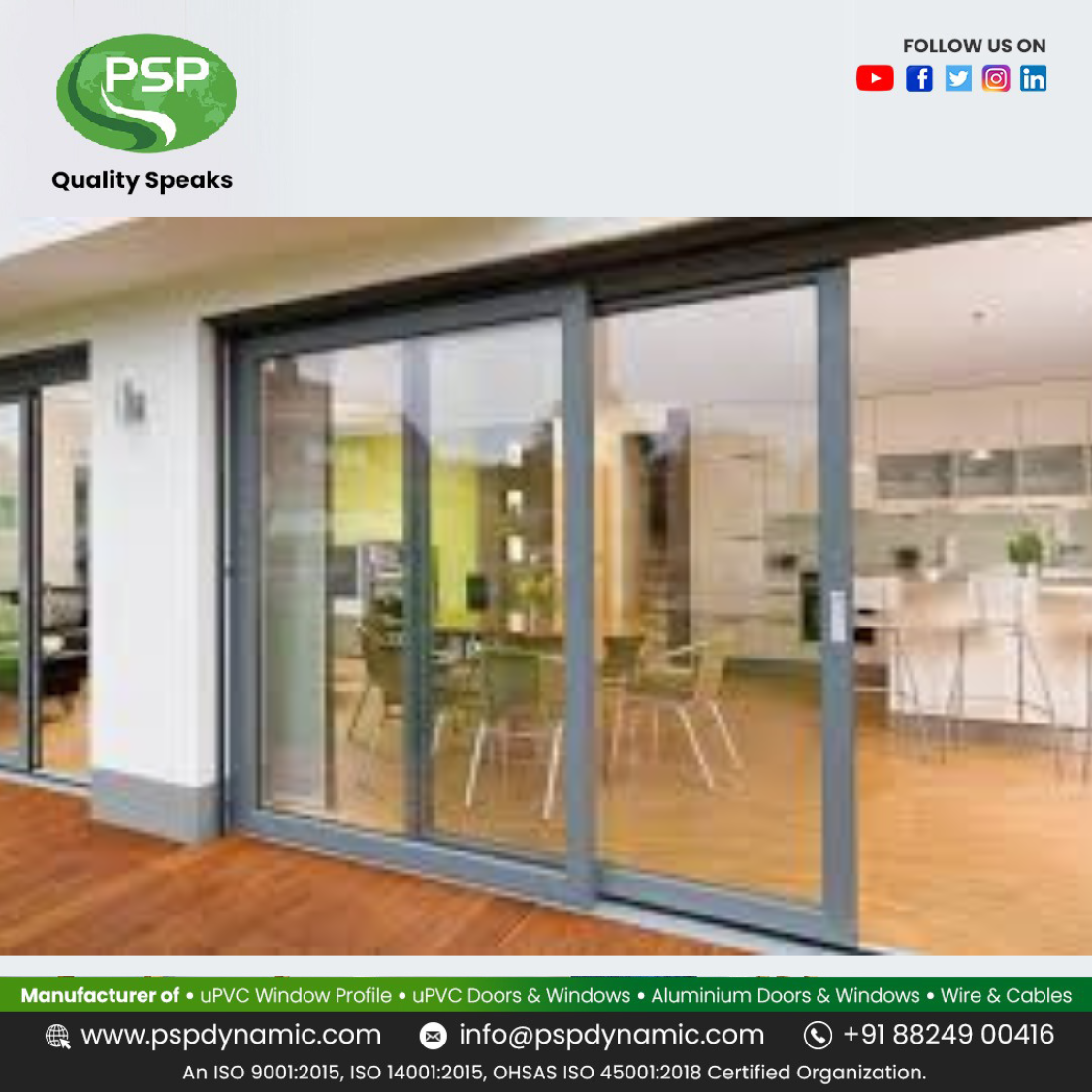
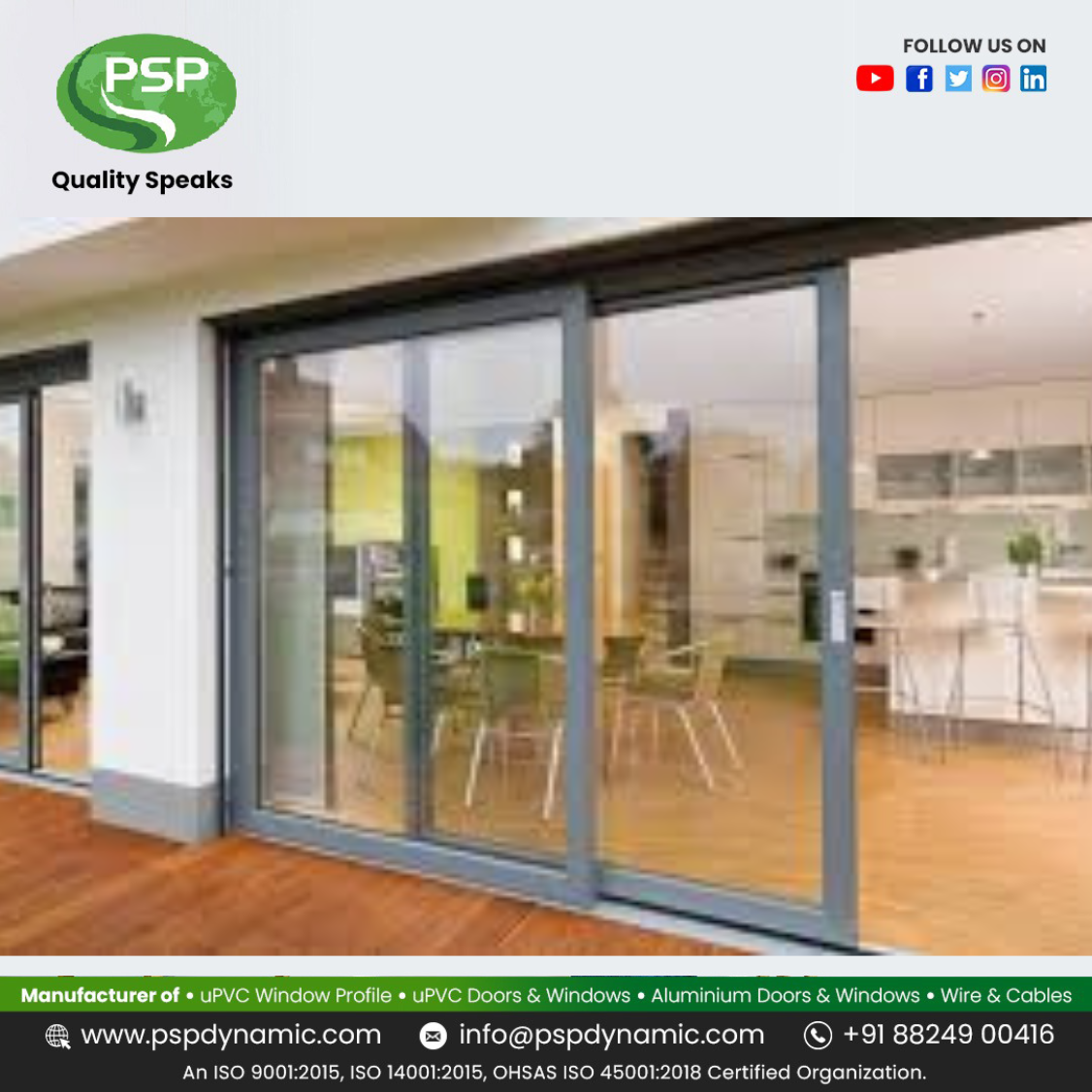
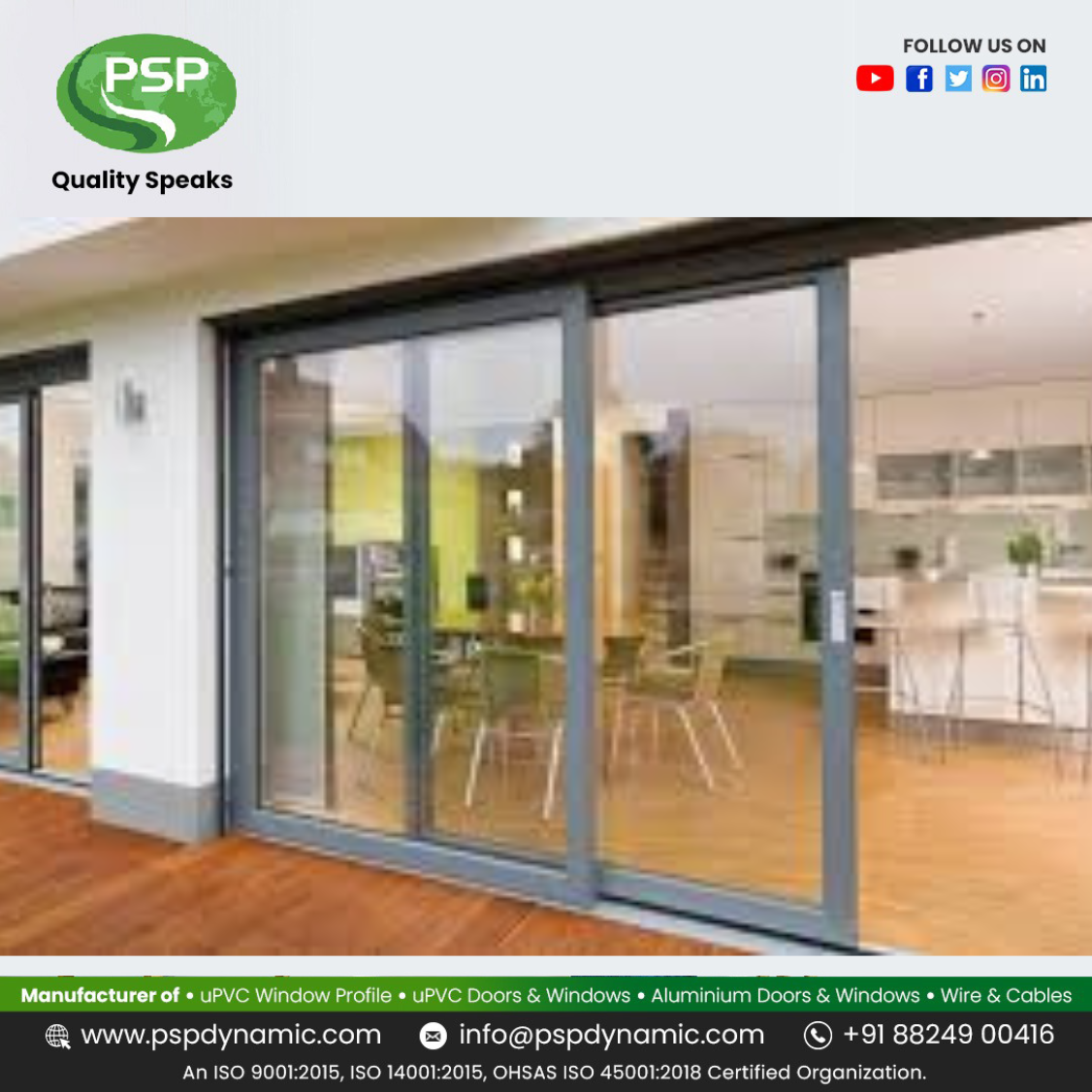
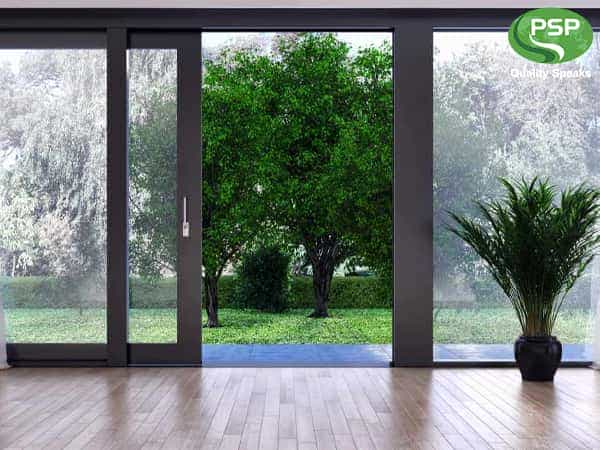
Lift & slide doors have become a defining feature in a wide range of project types because of how effectively they merge indoor and outdoor spaces. In residential projects, they are frequently used to connect living rooms with gardens, terraces, or poolside areas, creating an uninterrupted view and easy access without the swing radius that traditional doors require. Luxury villas and high-end apartment developments often specify these profiles specifically because the slim sightlines allow for maximum glass area, which enhances natural light and creates a sense of larger interior volume. Commercial applications include hotel lobbies, restaurant frontages, and office breakout areas, where the ability to fully open a facade during pleasant weather adds flexibility that fixed glazing cannot offer. Educational and healthcare facilities are also beginning to adopt these systems in common areas where natural ventilation and daylight are prioritised. Across all these applications, the underlying requirement remains the same: a profile that can support the intended glass load, operate smoothly over years of daily use, and withstand the specific climate conditions of the installation location.
Why Manufacturing Standards Determine Long-Term Value
The price difference between ALUMINIUM lift & slide profiles from different manufacturers often comes down to what is invisible at the point of purchase, including alloy grade, extrusion tolerance, coating quality, and hardware compatibility. A manufacturer that controls its own extrusion process, rather than sourcing profiles from multiple third parties, is generally able to maintain tighter tolerances and more consistent quality across batches. PSP Dynamic manufactures its ALUMINIUM profiles with this level of process control, ensuring that wall thickness, thermal break integrity, and surface finish remain consistent whether the order is for a single residential project or a large commercial development. Working with a manufacturer that can provide test certifications, batch traceability, and technical support during installation reduces the risk of costly rework later. For architects and contractors managing project timelines, this consistency also means fewer surprises during site measurement and fabrication stages, since the profile behaves the same way across every delivery.
Frequently Asked Questions
1. What is the typical lifespan of an ALUMINIUM lift & slide door profile?
With proper installation and basic maintenance, ALUMINIUM lift & slide profiles typically perform well for several decades, since the material does not rot, warp, or require repainting the way timber frames do.
2. Can lift & slide doors support very large glass panels?
Yes, provided the profile wall thickness, roller load rating, and glazing bead depth are specified correctly for the panel size and weight, which is why checking these specifications before purchase is important.
3. Do ALUMINIUM lift & slide doors work well in hot climates common across India?
Yes, especially when the profile includes a proper thermal break, which limits heat transfer into the interior and helps reduce cooling loads during summer months.
4. How often should the tracks and rollers be maintained?
Cleaning tracks of dust and debris every few months, along with periodic lubrication of rollers and the lift mechanism, is generally sufficient to keep the door operating smoothly.
5. What causes a lift & slide door to become difficult to open?
The most common causes are debris buildup in the track, worn rollers due to incorrect load rating, or an uneven sub-frame installed without proper levelling.
6. Are these doors suitable for both residential and commercial buildings?
Yes, lift & slide profiles are used across villas, apartments, hotels, restaurants, and office spaces wherever large openings and indoor-outdoor connectivity are desired.
7. What finish options are available for ALUMINIUM lift & slide profiles?
Profiles are typically available in anodised or powder-coated finishes across multiple colours, allowing them to match the design intent of the project while providing corrosion resistance.
8. Why does the manufacturer matter as much as the profile design?
Manufacturing consistency in alloy grade, extrusion tolerance, and coating thickness directly affects long-term performance, which is why sourcing from an established manufacturer reduces the risk of premature wear or failure.
Conclusion
ALUMINIUM lift & slide door profiles offer a genuine combination of strength, slim aesthetics, and functional performance, but realising that potential depends on getting the specifications, installation, and maintenance right from the start. Buyers who take the time to verify thermal break quality, roller ratings, and manufacturing consistency end up with doors that perform reliably for decades rather than needing repairs within the first few years. For architects, builders, and homeowners looking for ALUMINIUM lift & slide profiles backed by consistent manufacturing standards and technical support, www.pspdynamic.com offers a dependable starting point for the next project.