info@pspdynamic.com

+91-8824900416/40/14/12

Why BIS-Certified uPVC Profiles Are the Future of Doors and Windows in India
2026-04-03In today’s fast-evolving construction industry, quality and compliance have become more important than ever. Homeowners, builders, and architects are now prioritizing materials that not only offer durability but also meet national standards. This is where BIS-approved uPVC profiles are gaining significant popularity across India.
1. What Are BIS-Approved uPVC Profiles?
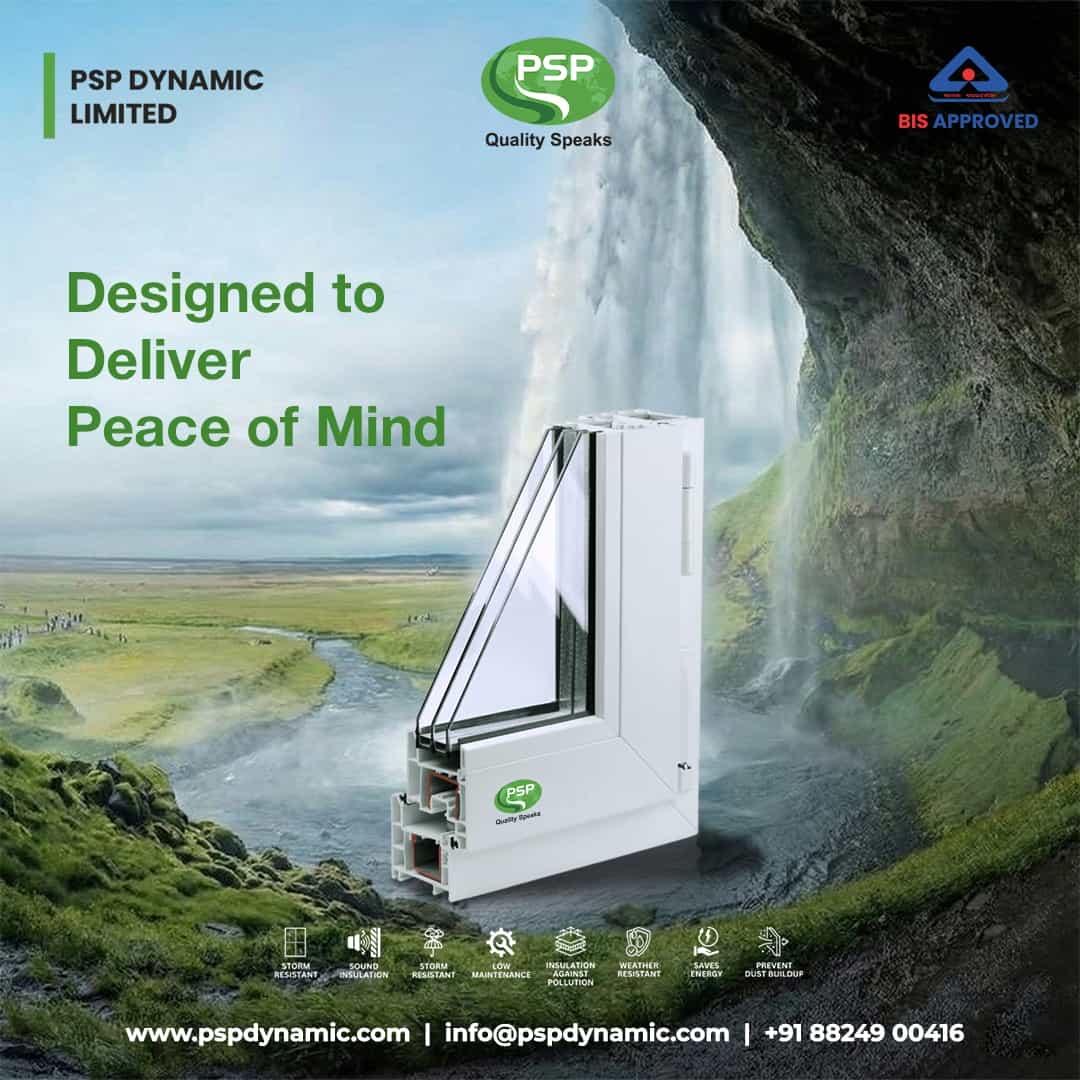
BIS (Bureau of Indian Standards) certification ensures that uPVC profiles meet strict quality, safety, and performance guidelines. These profiles are tested for strength, weather resistance, and long-term durability, making them a reliable choice.
2. Growing Demand in Modern Construction
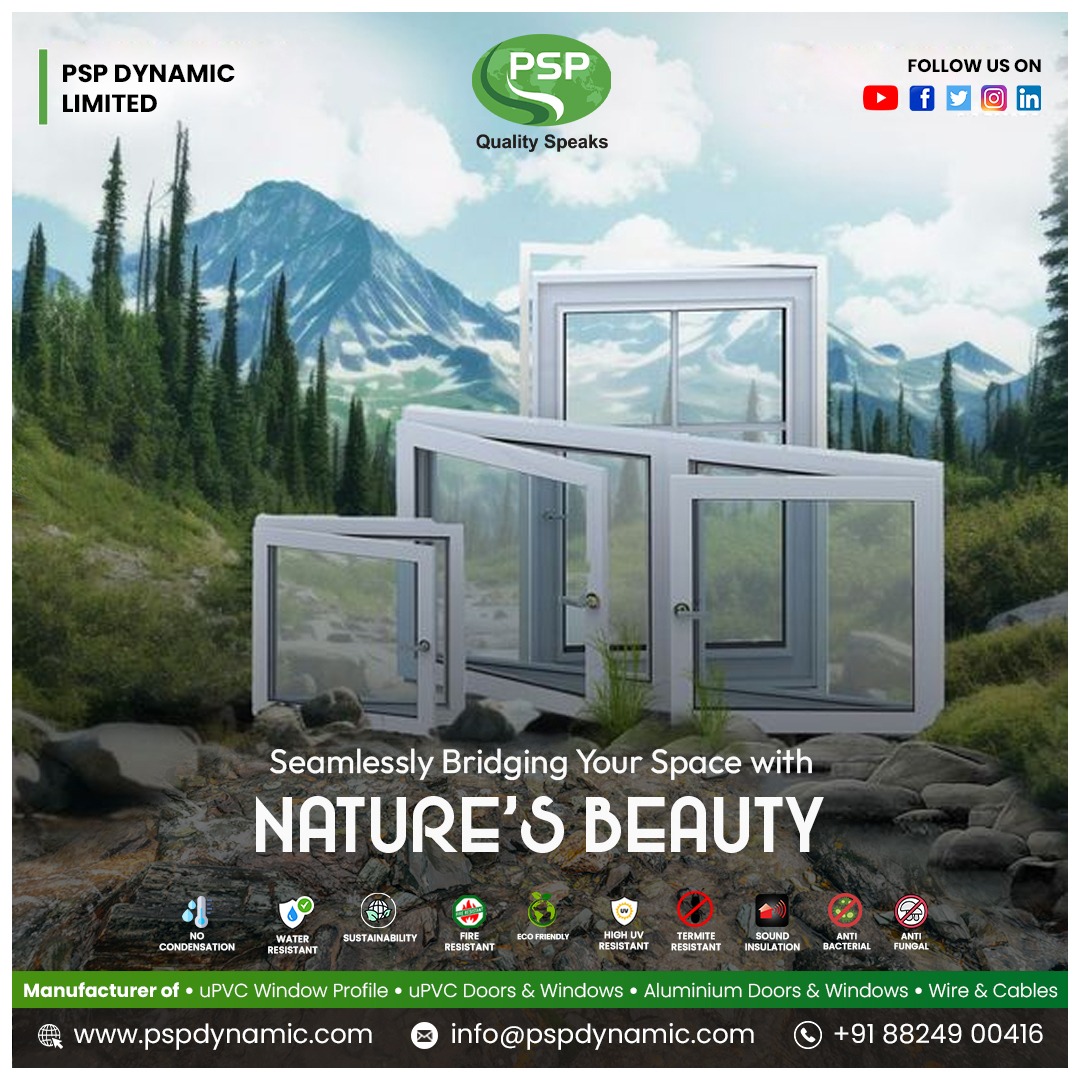
With the rise of smart homes and sustainable architecture, the demand for certified building materials has increased. BIS-approved uPVC profiles are now widely used in both residential and commercial projects.
3. Superior Durability and Weather Resistance
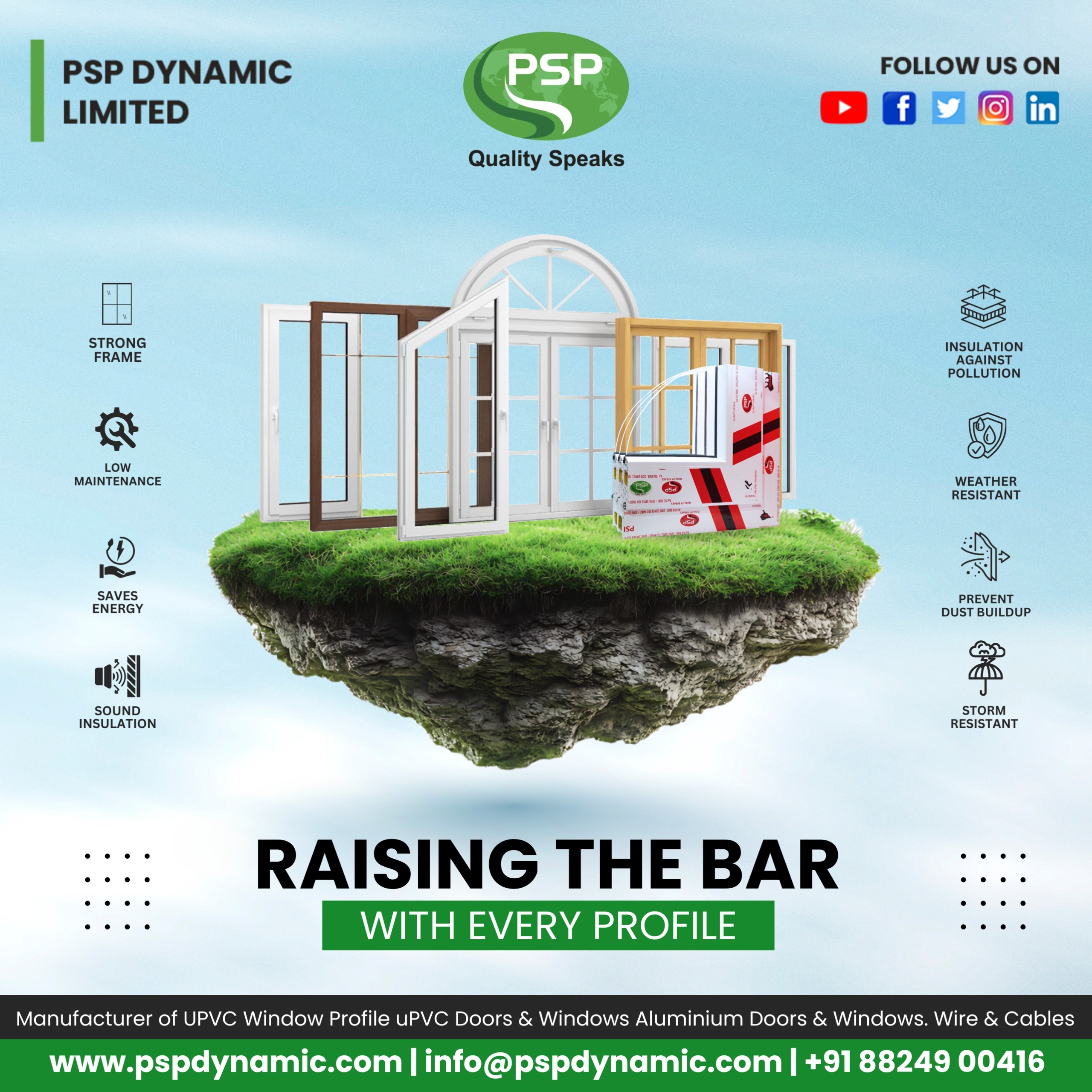
These profiles are designed to withstand extreme weather conditions without warping, fading, or corroding. This makes them ideal for India’s diverse climate.
4. Energy Efficiency and Insulation
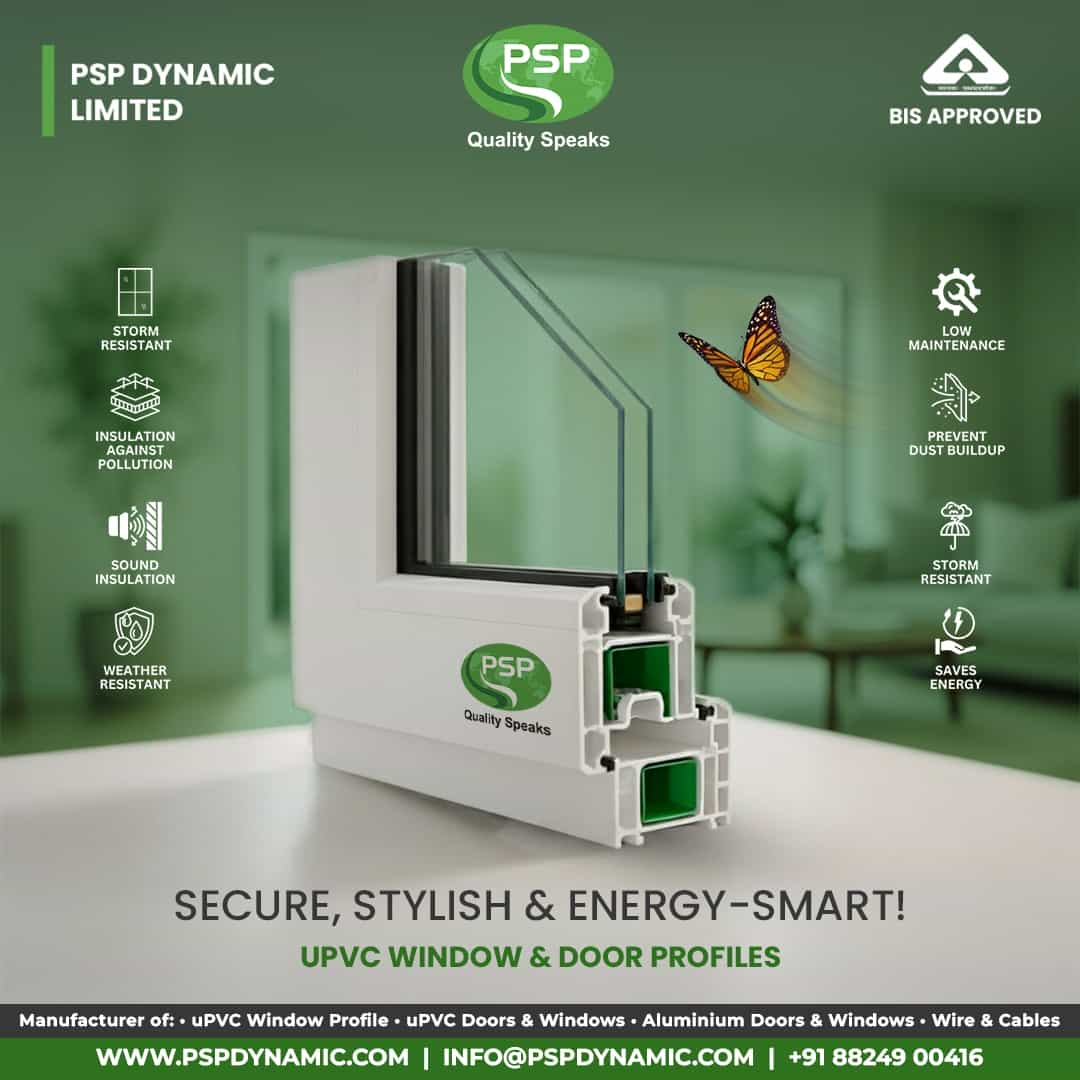
BIS-certified uPVC doors and windows provide excellent thermal insulation, helping maintain indoor temperatures and reducing energy consumption.
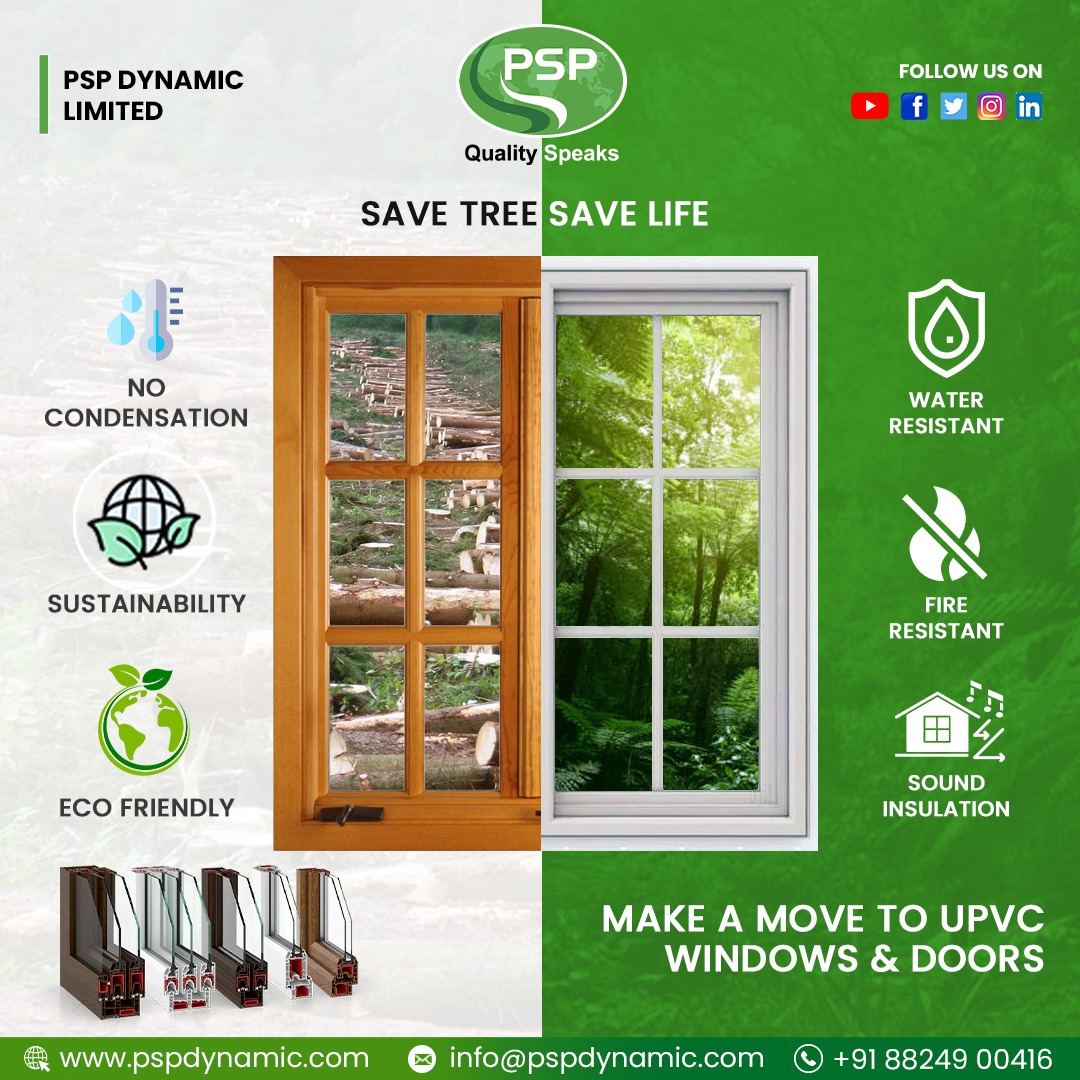
5. Eco-Friendly and Sustainable Choice
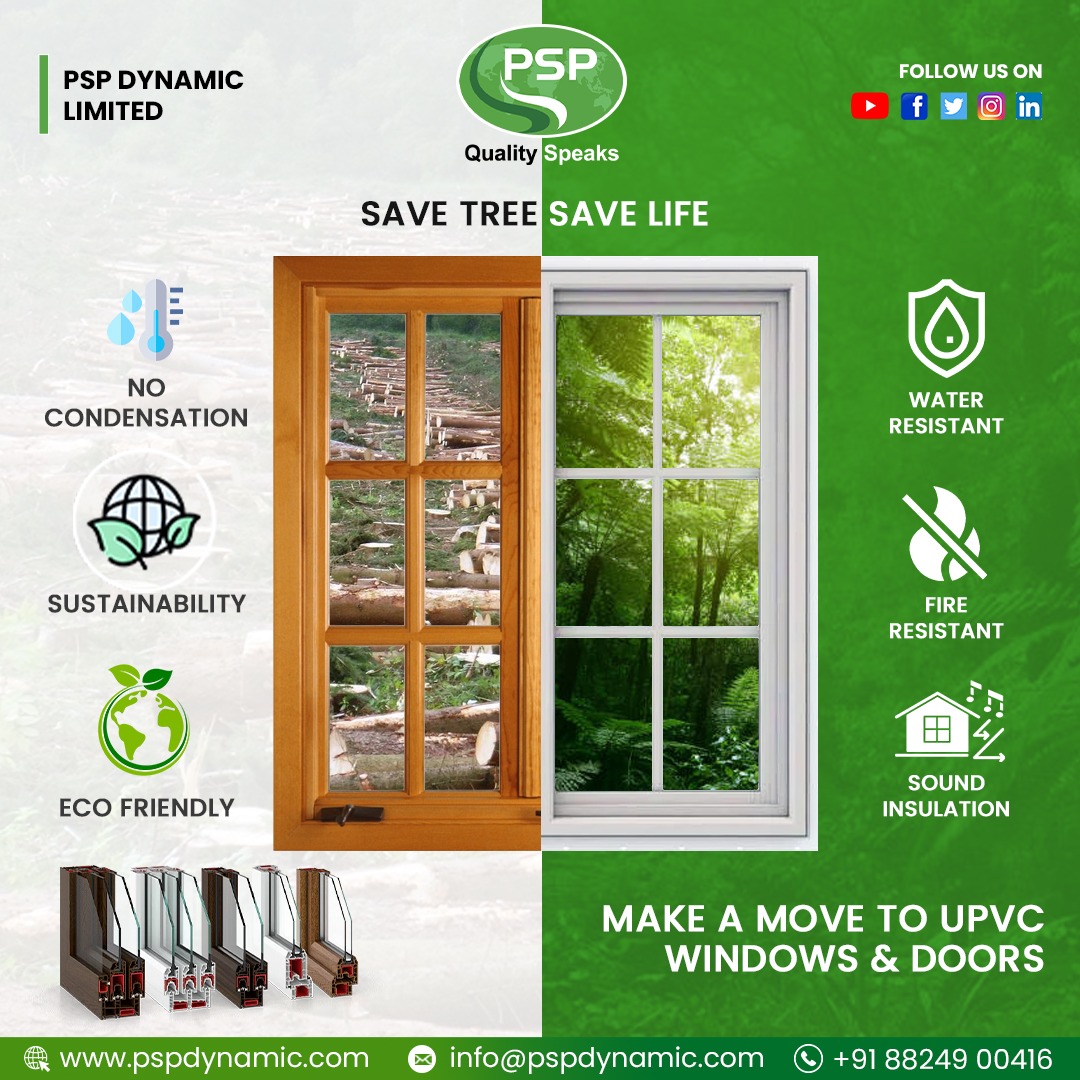
uPVC is recyclable and supports environmentally responsible construction practices. Choosing BIS-approved products ensures both performance and sustainability.
6. Low Maintenance and Long-Term Value
Unlike traditional materials, uPVC profiles require minimal maintenance. Their long lifespan and resistance to damage make them a cost-effective investment.
7. Enhanced Safety and Quality Assurance
BIS certification guarantees that the product has passed multiple quality checks, ensuring safety, reliability, and consistent performance.
Conclusion
As construction standards continue to evolve, BIS-approved uPVC profiles are becoming the preferred choice for modern infrastructure. They combine quality, sustainability, and performance—making them a smart investment for the future.